
Health Environment Risks
-
12 JunRead more »
For Large or Small Fume Extration Needs
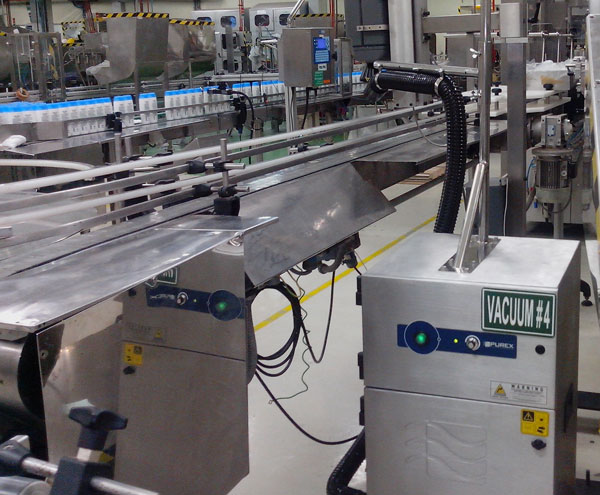
Assembly Lines
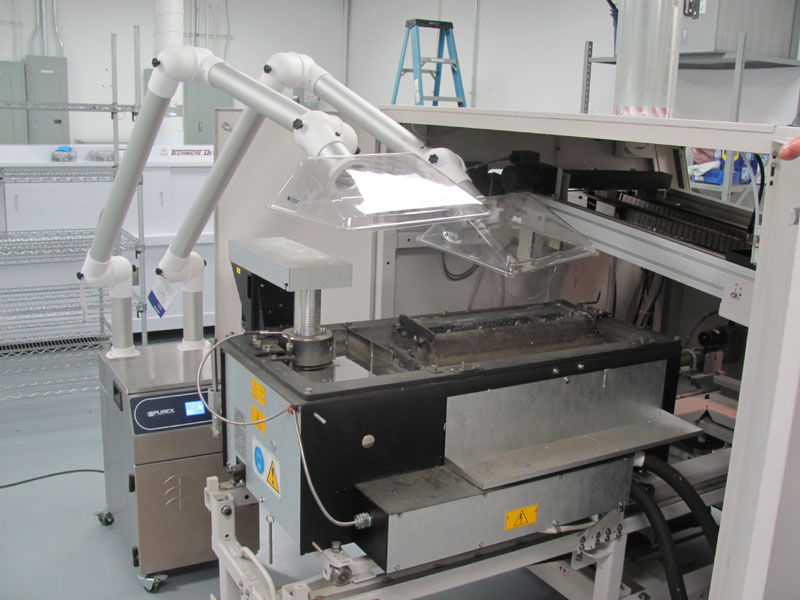
Multiple Use and Portable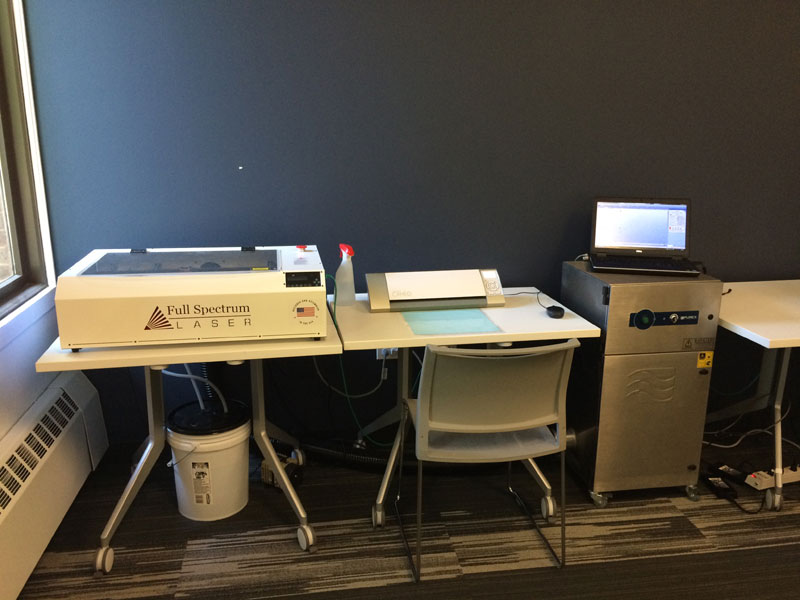
Single Machine Use
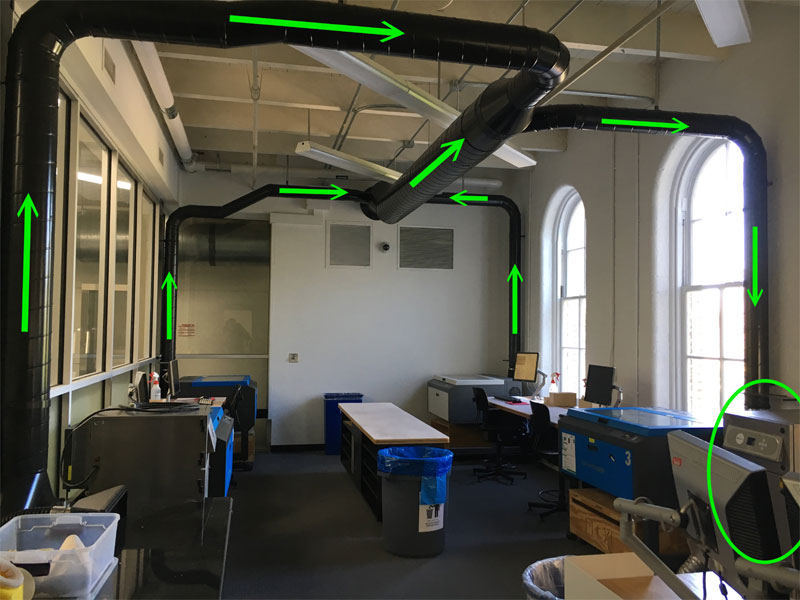
Purex has a full line of fume extraction machines that make almost any fume extraction possible. Production line integrations can require collection of machines and chemical exhaust in multiple locations and can require higher volumes of air intake to operate effectively. Companies may have several machines they need vented simultaneously or that may require a fume collector that is portable. And small businesses might require a smaller device that operates quietly in the workspace.
-
13 OctRead more »
VODEX of the UK reports on metal dust and fume hazards in the workplace
What Are the Dangers of Metal Fumes?
What Are Metal Fumes?
Metal fumes are the visible cloud of vapour that is generated when metals are heated to a very high temperature, like when you’re welding or soldering them. These fumes are 90%-95% particulate matter and 5%-10% gases.

How Do Metal Fumes Affect You?
Metal fumes are easily inhaled, causing dizziness and nausea. If you are exposed to them over a long time, even in small quantities, they can cause lung damage, and cancers of the lungs, larynx, and urinary tract. They also cause metal fume fever, stomach ulcers, kidney damage, and damage to the central nervous system. For example, Manganese fumes may cause symptoms similar to Parkinson’s disease.
If you’re welding metal that is plated, galvanised, or painted, you could generate Lead, Zinc, or Cadmium fumes, all of which are dangerous.
These are just the dangers of metal fumes. When welding or soldering, you can also
-
12 OctRead more »

Occupational Safety and Health Act of 1970
“To assure safe and healthful working conditions
for working men and women; by authorizing
enforcement of the standards developed under
the Act; by assisting and encouraging the States in
their efforts to assure safe and healthful working
conditions; by providing for research, information,
education, and training in the field of occupational
safety and health.” -
9 OctRead more »
Canadian Centre for Occupational Health and Safety report:
What is a surgical (laser) plume?
Lasers, electrocautery devices, and similar equipment are used for surgery, ablation (removal of tissues), or cauterization to vaporize, coagulate, and cut tissue. The by-products of these procedures include vapours, smoke, and particulate debris, which are collectively called plume.

What is the content of a plume?
Plumes may contain bioaerosols, viruses, blood fragments, cellular debris, and bacteria depending on the type of the procedure.
They also contain carbon monoxide, polyaromatic hydrocarbons, and various toxic gases and vapours. Plume may also contain chemicals that form from gases, dyes, and coolants. Plumes may contain chemicals such as formaldehyde, hydrogen cyanide, acrolein, phenol, butane, and benzene.
Plume may also contain blood (plasma and blood cells or pieces of cells), and related blood-borne pathogens including viruses such as human papillomavirus (HPV) or human immunodeficiency
-
4 OctRead more »
Todays laser industry demand performance on a budget
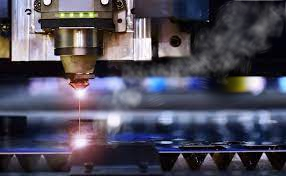
As marking and laser engraving equipment becomes smaller and less-expensive companies demand for performance on a budget grows. Just a few examples of these marking/encoding lasers include those now frequently used in the gift industry to create logos on a variety of objects; "coding" lasers used to add traceable use-by dates and batch codes to packing and products of the beverage, medical and electronics industries; and those used for decorative shape cutting in a variety of materials. The affordability and versatility is such that engraving lasers are even becoming mainstays of many colleges' arts and crafts departments.
-
4 OctRead more »
Cheap filter substitutions, dangerous to your health!

Do not be fooled by inexpensive, inadequate equipment. It may be cheap now but you may eventually pay more in damaged to your production equipment or worst case scenario a sick employee that seeks legal action against your organization.